
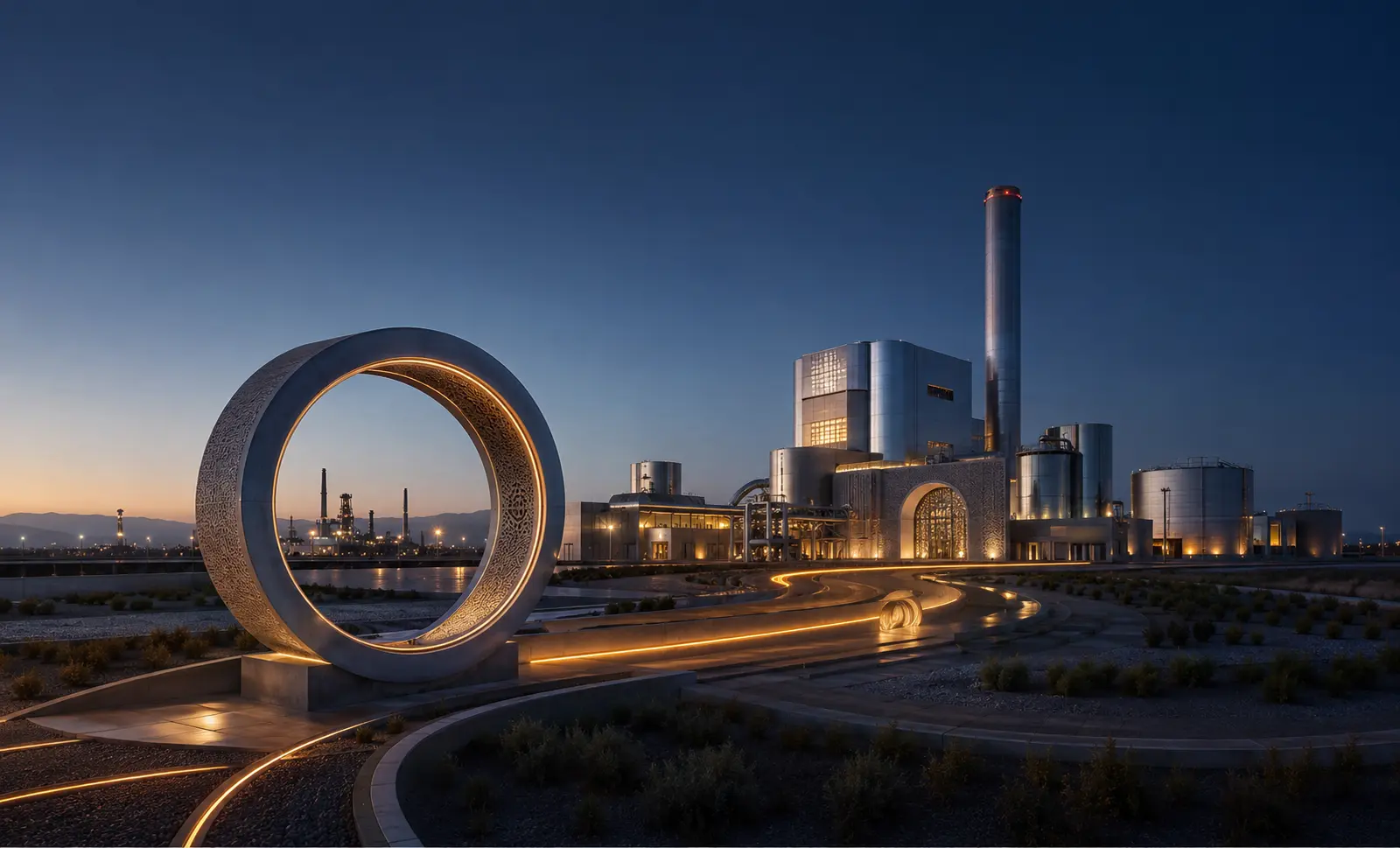
Foundation stones were laid for two foreign-funded waste-to-energy plants with combined annual processing capacity of 985,500 tonnes. Commissioning is scheduled for 2028, making execution, feedstock and environmental performance the next critical milestones.
Uzbekistan has moved two waste-to-energy projects in Bukhara and Surkhandarya into the construction phase, with combined announced investment of US$315 million. Waste-supply agreements were signed with Wangneng Environment and CHSET, and the facilities are intended to reduce landfill volumes while adding dispatchable electricity generation.
The Bukhara project, located in Kogon district and implemented with Wangneng Environment, carries announced direct foreign investment of US$165 million. It is designed to process 547,500 tonnes of municipal solid waste and generate 230 million kWh of electricity annually, with 150 permanent jobs expected after commissioning.
The Surkhandarya project, located in Angor district and implemented with CHSET, is valued at US$150 million. Its design capacity is 438,000 tonnes of municipal waste and 75 million kWh of electricity per year, with another 150 permanent jobs expected. Both plants are scheduled for commissioning in 2028 and operation over 30 years.
From an investment-banking perspective, announced capital expenditure is only the starting point. Bankability will depend on construction delivery, reliable waste supply, electricity purchase and payment mechanisms, environmental controls, technology performance and allocation of operating risk over the 30-year term. Progress against these milestones will determine whether the projects establish a replicable infrastructure-finance model.
This material is provided for general information only and does not constitute investment, legal or tax advice, or an offer or solicitation in any jurisdiction.